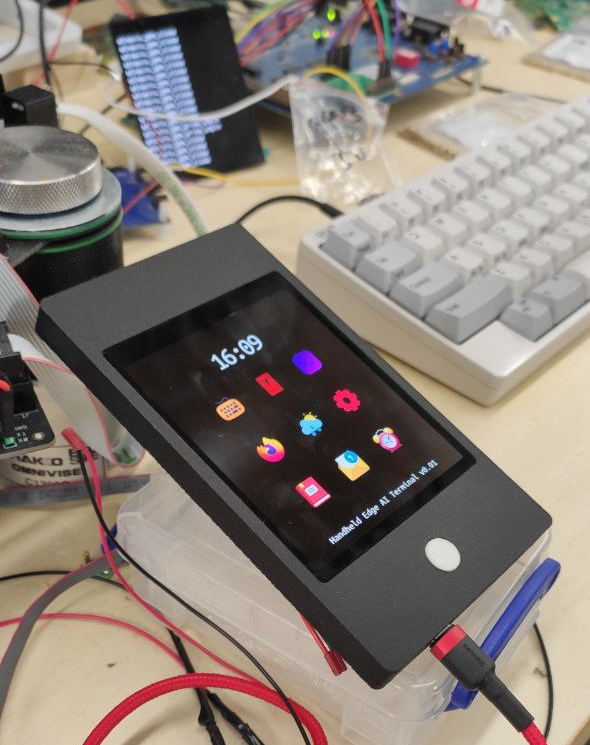
Building a FreeBSD-Based Mobile Handheld
In a world dominated by smartphones and tablets, the idea of building your own handheld device might seem like a niche hobbyist project. But what if a handheld device could truly be your own—designed for your workflow, your needs, and your ideas? That’s exactly what a FreeBSD-based handheld offers.
The Vision: Ownership Over Convenience
Today, most mobile devices are designed around convenience—app ecosystems, cloud integration, and opaque software layers. But convenience often comes at the cost of:
- Limited control over software
- Locked-down operating systems
- Unpredictable long-term support
Why FreeBSD?
FreeBSD may not be the first OS people think of for mobile devices, but it has unique strengths:
- Robust networking stack – essential if your handheld is meant to connect reliably
- Strong security model – including jails and fine-grained permissions
- Consistency and stability – predictable behavior under heavy or prolonged use
Put simply, FreeBSD gives you control without compromise.
A Personal Device, Not a Smartphone
The goal of a personal handheld isn’t to replicate a modern smartphone—it’s to focus on what matters to you. That could be:
- Quick access to personal tools (scripts, editors, terminal apps)
- Hardware interfaces for sensors, IoT, or robotics
- Minimal distractions: no social media or app stores
- Complete understanding of the software stack, from kernel to application
It's a device designed to serve you, rather than a device that serves advertisers, platforms, or ecosystems.
The Philosophy Behind It
Building your own handheld encourages a different mindset:
- Mindful computing – you decide what software runs and why
- Sustainable development – hardware and software designed to last
- Exploration – you can experiment with ideas without being limited by prepackaged OS constraints
Who Benefits From This Approach?
A personal FreeBSD handheld isn’t for everyone. It’s best for:
- OS and embedded systems enthusiasts
- Developers who want a testbed for experiments
- People who want a device that obeys their rules, not the other way around
But even outside these niches, the idea of a handheld designed for personal ownership has appeal—especially in an era of pervasive cloud dependency and privacy concerns.
Looking Forward
Imagine a future where your handheld:
- Integrates seamlessly with the tools you actually use
- Can last for a decade without forced obsolescence
- Allows you to tinker and improve it as your needs evolve
That’s the vision a FreeBSD handheld makes tangible: a mobile device that belongs to you.
Final Thoughts
Building your own handheld isn’t about having the fastest CPU, the most apps, or the flashiest display. It’s about agency, reliability, and personal sovereignty.
A FreeBSD-based handheld reminds us that computing doesn’t have to be a black box. It can be something we shape, understand, and truly call our own.